Browsed by
Category: Business

The Role of Mini Split ACs in Creating Customized Temperature Zones in Your Home

The Role of Mini Split ACs in Creating Customized Temperature Zones in Your Home

Creating comfortable living spaces is essential for every home, and temperature control plays a big part in that. Mini split air conditioners ACs have become popular because they offer a smart solution for personalized climate control. Unlike traditional central AC systems that cool or heat the entire house at once, mini splits allow homeowners to set different temperatures in different rooms or zones. This means each family member can enjoy their preferred comfort level without wasting energy or increasing utility bills. Mini split ACs provide flexibility, efficiency, and convenience, making them a great choice for modern homes.

Mini Split ACs Create Customized Temperature Zones

Mini split systems are designed to deliver cooling and heating directly to specific rooms or zones, rather than conditioning the whole house at once. This feature lets you control the temperature independently in each zone.

  • Multiple indoor units: A mini split system typically consists of one outdoor compressor and multiple indoor air handlers. Each indoor unit controls the temperature of the room it is installed in.
  • Individual controls: Each indoor unit has its own thermostat and remote control, allowing precise temperature settings for each room.
  • Energy savings: By only cooling or heating rooms in use, mini splits reduce unnecessary energy consumption.
  • Quiet operation: Indoor units run quietly, ensuring comfort without noise disturbance.
  • Easy installation: Mini splits do not require ductwork, which means less mess and faster installation compared to central AC systems.
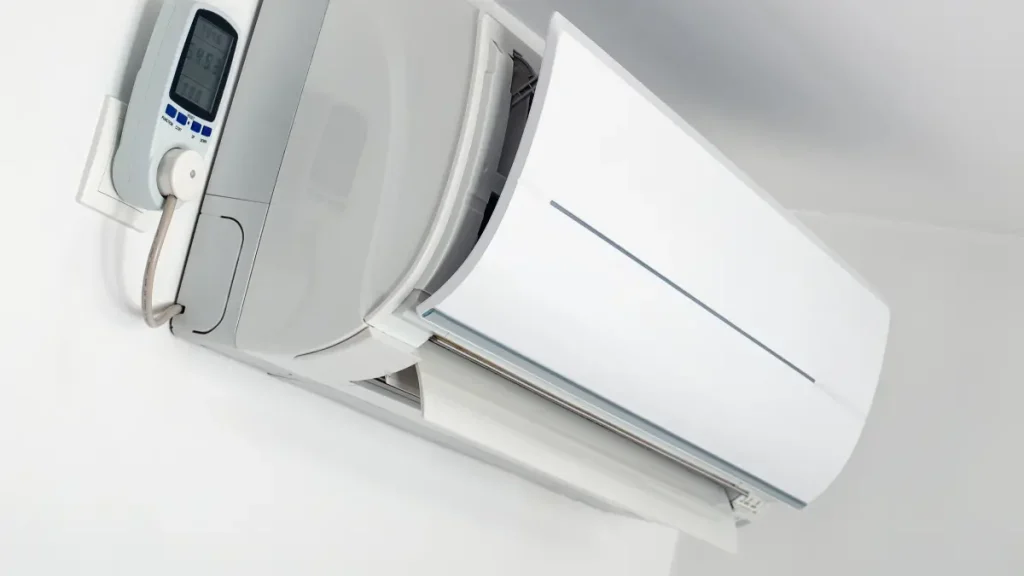
mini split ac

The Benefits of Customized Temperature Zones

Creating temperature zones with mini split ac offers several practical benefits:

  • Personalized comfort: Everyone in the household can set their preferred temperature. For example, the living room can be cooler while bedrooms remain warmer.
  • Energy efficiency: By avoiding heating or cooling empty rooms, you save on electricity bills.
  • Reduced wear and tear: The system only works where needed, which can extend the life of the equipment.
  • Flexibility: Add or adjust indoor units in different rooms as your needs change over time.
  • Improved air quality: Many mini split systems come with filters that improve indoor air quality.

Common Applications for Mini Split Zones

Mini splits are especially useful in homes with diverse temperature needs:

  • Large homes: Control multiple zones without costly ductwork.
  • Home offices: Keep your workspace comfortable without affecting the rest of the house.
  • Bedrooms: Customize nighttime temperatures for better sleep.
  • Additions or renovations: Easily add climate control to new spaces without major HVAC changes.

Why Mini Split ACs Are Ideal for Zoned Cooling and Heating

Mini split ACs provide a practical and energy-efficient way to create customized temperature zones within your home. With multiple indoor units, individual controls, and no need for ducts, they offer flexibility and personalized comfort for every room. Benefits include:

  • Precise temperature control in each zone
  • Energy savings by cooling or heating only occupied rooms
  • Quiet, easy-to-install systems
  • Adaptability for changing home needs

By using mini split ACs to create temperature zones, you improve comfort and reduce energy waste. This makes them a smart choice for homeowners who want better control over their indoor environment.
Exploring the Versatility of Sheet Metal Fabrication in Different Industry Sectors

Exploring the Versatility of Sheet Metal Fabrication in Different Industry Sectors

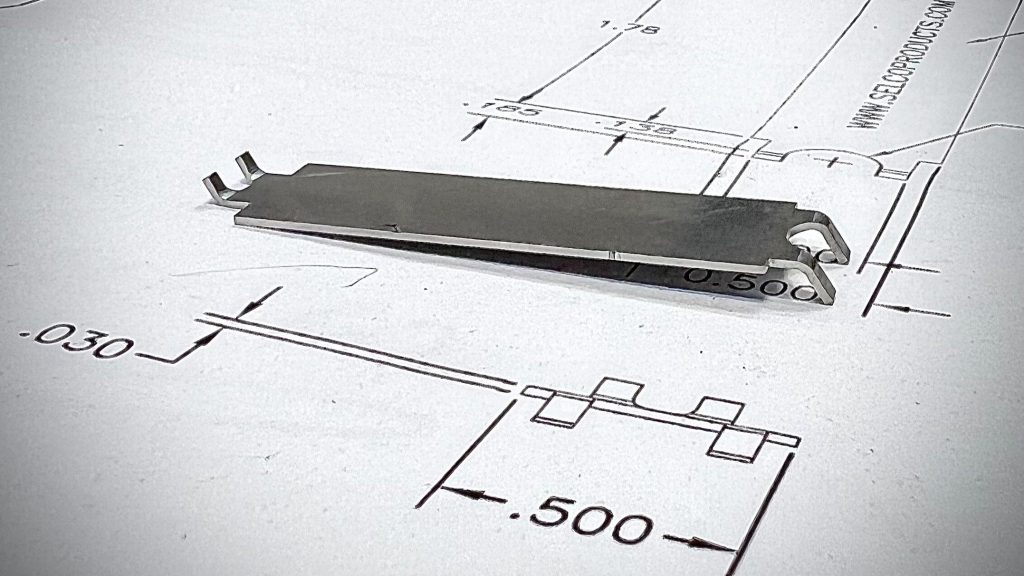
Sheet metal fabrication is a process that involves cutting, shaping, and assembling thin metal sheets to create various products. This method offers high flexibility, precision, and strength, making it suitable for many industries. The ability to customize sheet metal components according to specific requirements has made it a fundamental technique across sectors such as automotive, construction, electronics, and healthcare. Its adaptability allows manufacturers to produce parts that are lightweight yet durable, contributing to efficiency and cost-effectiveness. Understanding the diverse applications of sheet metal fabrication reveals why it remains a vital part of modern industrial manufacturing.

Sheet Metal Fabrication in Key Industry Sectors

  • Automotive Industry

TZR sheet metal fabrication plays a crucial role in making car parts such as chassis, body panels, exhaust systems, and engine components. It enables the production of lightweight yet strong parts that improve vehicle performance and fuel efficiency. The precision of fabrication techniques ensures that components fit perfectly, enhancing safety and reliability.

  • Construction Sector

In construction, sheet metal fabrication is used to create roofing, siding, ductwork, and structural components. Metal sheets are shaped to withstand harsh weather conditions while providing aesthetic appeal. Fabricated metal is also vital in making customized fixtures and fittings that meet building codes and design specifications.

Sheet Metal

  • Electronics and Electrical Industry

Sheet metal is commonly used to manufacture enclosures, frames, and mounting brackets for electronic devices. Its excellent heat dissipation and electrical conductivity properties make it ideal for protecting sensitive electronic components while ensuring proper functioning.

  • Healthcare Industry

In medical equipment manufacturing, sheet metal fabrication provides precision parts for hospital beds, surgical instruments, and diagnostic machines. The ability to create hygienic and corrosion-resistant components is essential to meet strict health standards.

  • Aerospace Industry

The aerospace sector relies on sheet metal fabrication to produce lightweight, high-strength parts like aircraft panels, fuel tanks, and engine components. These parts must meet rigorous safety and performance standards, making fabrication precision critical.

Advantages of Sheet Metal Fabrication

  • Versatility

Suitable for various metals including aluminum, steel, copper, and titanium, offering options for different industrial needs.

  • Customization

Easy to modify designs for specific applications, allowing industries to tailor components to exact requirements.

  • Durability

Produces strong and long-lasting parts that can withstand environmental and mechanical stresses.

  • Cost-Effectiveness

Efficient production processes reduce waste and lower manufacturing costs.

  • Speed

Modern fabrication techniques enable rapid prototyping and mass production.

Conclusion

Sheet metal fabrication is a cornerstone of modern manufacturing due to its versatility across different industries. From building sturdy car frames to crafting delicate medical instruments, it delivers precision, strength, and adaptability. The ability to customize metal parts quickly and cost-effectively makes it indispensable in automotive, construction, electronics, healthcare, and aerospace sectors. Businesses leveraging this technique gain a competitive edge by producing high-quality products that meet exacting standards. The ongoing innovation in fabrication technology promises even broader applications and improved performance in the future.

DC and PWM Fans Offer Noise Reduction with Smart Control

DC and PWM Fans Offer Noise Reduction with Smart Control

DC and PWM fans are widely recognized for their effective noise reduction capabilities, making them ideal choices for cooling solutions where quiet operation is crucial. These fans utilize smart control mechanisms to adjust their speed dynamically according to thermal demands. By modulating fan speed, they can maintain efficient cooling without running at full power constantly, significantly reducing noise levels compared to fans running at fixed speeds. This adaptive operation ensures that noise is minimized during low load conditions while still providing adequate airflow when temperatures rise. One of the key advantages of DC fans is their ability to vary voltage to control speed. Instead of a simple on/off function, DC fans adjust their rotation rate smoothly; responding to the system’s cooling needs. This voltage regulation reduces unnecessary energy consumption and avoids the constant high-speed noise associated with traditional fans. As the fan speed decreases, the sound output drops proportionally, resulting in a much quieter environment, which is especially beneficial in home offices, entertainment setups, or other noise-sensitive applications?

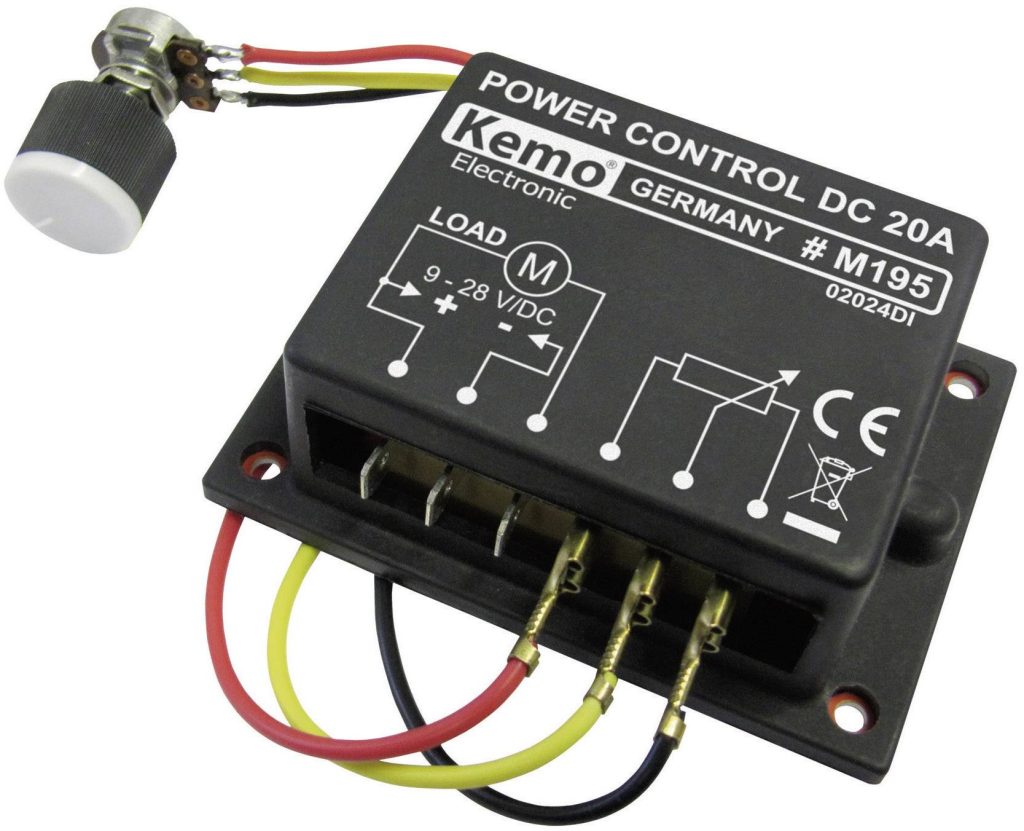
pwm vs dc fan

PWM fans take noise control a step further by using pulse-width modulation to regulate speed. This technique involves switching the fan’s power on and off rapidly at a fixed voltage, controlling the amount of power delivered without sacrificing efficiency. The precision of PWM control allows the fan to operate at the optimal speed needed at any given time. Because the fan is not forced to run at maximum speed unless necessary, it significantly cuts down on noise generation while maintaining excellent thermal performance, making PWM fans a popular choice in modern electronic cooling systems. Both DC and PWM fans often incorporate smart sensors and controllers that monitor temperature in real-time, pwm vs dc fan providing instant feedback to adjust fan speeds accordingly. This continuous monitoring and adjustment ensure that the fan runs just fast enough to dissipate heat effectively, avoiding the excessive noise caused by fans spinning unnecessarily fast. Such intelligent control systems improve not only noise levels but also the overall energy efficiency of the device, extending the lifespan of components by reducing mechanical wear.

Moreover, these fans typically feature advanced aerodynamic blade designs optimized for silent operation. By carefully shaping the blades and improving airflow patterns, manufacturers can reduce turbulence and mechanical vibrations, which are common sources of fan noise. When combined with speed control technologies like DC voltage adjustment and PWM, these design improvements further enhance the quietness of the acdcecfan cooling system, offering users a much more pleasant acoustic environment. DC and PWM fans provide a balanced approach to cooling and noise management through intelligent speed control and sophisticated design. Their ability to dynamically respond to temperature changes reduces unnecessary noise without compromising cooling efficiency. This makes them highly suitable for environments where quiet operation is as important as effective thermal management, ensuring comfortable and reliable device performance in a wide range of applications.

Integrated Dryer Systems Improve Performance in Compressed Air Systems

Integrated Dryer Systems Improve Performance in Compressed Air Systems

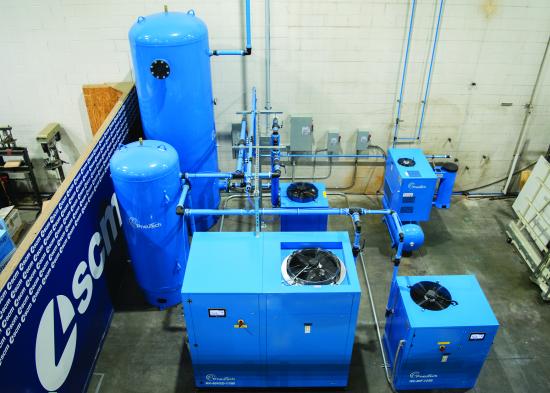
Integrated dryer systems play a crucial role in enhancing the performance of compressed air systems. Compressed air is widely used across various industries, from manufacturing to healthcare, and ensuring the quality and reliability of this air is paramount. One of the most common issues with compressed air systems is moisture accumulation. When air is compressed, the temperature increases, and when it cools down, moisture tends to condense. This moisture can damage equipment, corrode pipes, and lead to operational inefficiencies. An integrated dryer system addresses this problem by removing the moisture from the compressed air, ensuring that the air is dry and clean as it travels through the system. By incorporating dryers directly into the system, these units help in maintaining the desired quality of compressed air, preventing issues such as freezing in cold environments, corrosion in pipelines, and damage to sensitive equipment like pneumatic tools or control valves.

Reliable Integrated Dryers

Integrated Dryer can be of various types, including refrigerated, desiccant, or membrane dryers, each designed to address specific needs depending on the nature of the compressed air system and the application. Refrigerated dryers work by lowering the temperature of the compressed air to condense the moisture, which is then drained off. This type of dryer is often used in applications where moisture levels are not excessively high, making it an energy-efficient choice. On the other hand, desiccant dryers use materials that absorb moisture from the air, providing a deeper level of drying. This type is typically used in systems where extremely dry air is required, such as in food processing or pharmaceutical manufacturing. Membrane dryers, though less common, use selective permeation through a membrane to remove moisture and are often used in low-flow applications. Integrated dryer systems offer significant advantages in terms of operational efficiency. First, by being built into the compressed air system, they streamline the installation process and reduce the space requirements compared to standalone dryers. This makes the system more compact and easier to maintain.

The integration also ensures that the dryer is optimized for the specific system it is part of, allowing for better performance and energy efficiency. Furthermore, integrated dryers often come with advanced control systems that monitor and adjust the drying process, ensuring that the air quality remains consistent over time. Moreover, these systems improve the overall reliability of the compressed air system. Since moisture is one of the main culprits behind equipment failure, having an integrated drying solution ensures that the air remains free from contaminants that could potentially cause breakdowns or reduce the lifespan of machinery. This leads to reduced downtime, lower maintenance costs, and better overall productivity. Another significant benefit of integrated dryer systems is their ability to handle varying environmental conditions. For example, in industries where outdoor air is compressed, seasonal changes can lead to significant fluctuations in humidity. An integrated dryer system is equipped to deal with these variations, ensuring that the air quality remains stable regardless of external conditions. Additionally, these systems can be configured to match the demands of specific applications, providing more precise control over the drying process.

Why Renting a 24-Passenger Van is Perfect for Wedding Parties

Why Renting a 24-Passenger Van is Perfect for Wedding Parties

Renting a 24-passenger van for a wedding party offers a convenient, cost-effective, and stress-free solution for transportation on one of the most memorable days of your life. Weddings often involve a number of logistical details, and ensuring that all guests can travel together without hassle is one of the most important aspects. A 24-passenger van provides ample space for bridal parties, family members, or friends, ensuring everyone stays together and enjoys the festivities without worrying about multiple vehicles, directions, or parking issues. One of the biggest benefits of renting a 24-passenger van is the opportunity to transport large groups of people at once. If you are planning a wedding that requires transportation from the ceremony to the reception, or even to pre-wedding events like rehearsal dinners or photo sessions, having everyone travel together creates a sense of unity and celebration. It removes the need for carpooling or organizing a convoy, making sure everyone is on the same page and arrives on time. This can be particularly useful if the wedding venues are spread across different locations, ensuring that no one gets lost or delayed.

In addition to the practical benefits, a 24-passenger van also contributes to the overall guest experience. Wedding parties can enjoy the ride together, creating a fun atmosphere before the main event. Whether it is playing a playlist with favorite songs, toasting with champagne, or simply chatting and relaxing, the ride becomes an extension of the celebration itself. It also gives the couple, their bridal party, and family members a chance to unwind and bond before the event, setting a positive tone for the day ahead. With the large number of guests attending, parking spaces at the venue may be limited, and finding a place to park multiple cars can be a challenge. A 24-passenger van ensures that everyone arrives together, and the van can be parked in one spot, saving time and energy for guests who would otherwise have to search for parking. Additionally, when you rent a 24-passenger van, you benefit from a professional driver, which adds an extra layer of convenience.

This removes the need for designated drivers or relying on ride-sharing services, both of which can be unpredictable, especially in high-demand areas during peak wedding season. With a professional driver behind the wheel, you can relax and enjoy the ride, knowing that everyone will arrive safely and on time. Cost efficiency is another compelling reason to rent a 24-passenger van. While hiring multiple cars or booking separate rides for everyone can quickly add up, a single van rental for the entire group is often more affordable. This not only saves money but also reduces the hassle of coordinating payments and organizing separate bookings. Ultimately, renting a 24-passenger van for your wedding party provides convenience, comfort, and peace of mind. It allows you to focus on enjoying the celebration without worrying about transportation logistics. Whether you are coordinating the arrival of the bridal party, ensuring your guests can easily travel between venues, or simply looking to make the day even more special, a 24-passenger van is an excellent choice for any wedding. Whether for a family vacation, a corporate event, or a school trip, renting a van provides a stress-free and enjoyable travel experience for everyone involved.

Expand Your Market Reach with Outbound Campaigns That Convert

Expand Your Market Reach with Outbound Campaigns That Convert

Expanding your market reach is essential for business growth, and one of the most effective ways to do this is through outbound campaigns. Outbound marketing strategies, such as cold calling, email outreach, and targeted advertising, can significantly enhance your visibility and attract new customers. These campaigns help you reach a broad audience, ensuring that your message is heard by those who may not have encountered your brand otherwise. When executed properly, outbound campaigns can establish a solid foundation for building relationships with potential clients, converting them into long-term customers. One of the key advantages of outbound campaigns is their ability to target specific demographics. By segmenting your audience based on factors such as location, job title, industry, or interests, you can tailor your messaging to resonate with the right people. This personalized approach increases the likelihood of engagement, as recipients feel that the outreach is relevant to their needs.

4 Strategies to Boost Your Call Center Performance

Whether it is through a well-crafted email campaign or an engaging phone call, a targeted strategy makes your outreach more impactful, improving the chances of successful conversion. Another essential component of successful outbound campaigns is consistency. Regular follow-ups and strategic touchpoints are critical to maintaining interest and building trust with potential leads. By staying in front of your audience, you remind them of your offerings and provide additional value. This consistency helps to nurture leads over time, gradually moving them through the sales funnel. Without consistent communication, even the most promising prospects can lose interest, making it essential to maintain a steady rhythm in your outreach efforts. The effectiveness of outbound campaigns is also closely tied to data-driven decision-making. With the wealth of analytics available through various outbound marketing channels, you can track the performance of your efforts and make necessary adjustments. By analyzing key metrics such as open rates, response rates, and conversions, you gain valuable insights into what works and what does not.

This data allows you to refine your strategy and optimize your campaigns for better results, ensuring that each outreach attempt is more efficient than the last. Outbound marketing campaigns also offer flexibility and scalability. Whether you are just starting to explore outbound strategies or looking to ramp up your efforts, you can adjust the scope and scale of your campaigns to meet your objectives. Small, focused campaigns can serve as testing grounds for new ideas, while larger, more comprehensive efforts can help you dominate your market segment. The scalability of outbound campaigns allows businesses to experiment with different approaches and find the strategies that best suit their goals. Successful outbound campaigns help build brand awareness and establish authority within your industry. As your outreach efforts reach more individuals, you increase the visibility of your brand and position yourself as a leader in your field. Over time, you could check here this contributes to a strong reputation, which can attract even more customers.

Savvy Investors Embrace Market Opportunities with Confidence

Savvy Investors Embrace Market Opportunities with Confidence

Savvy investors understand that market opportunities are constantly evolving, and they approach these changes with a keen sense of awareness and adaptability. By staying informed about economic trends, industry developments, and financial indicators, they position themselves to make well-calculated decisions. Their confidence does not stem from mere speculation but from thorough research, strategic planning, and a deep understanding of market dynamics. They recognize that every market cycle presents unique prospects, whether during periods of economic expansion, stagnation, or contraction. Instead of being swayed by emotions, they rely on data-driven insights to seize opportunities at the right time. A key characteristic of successful investors is their ability to identify undervalued assets with strong growth potential. They recognize that short-term market fluctuations often create temporary mispricing, which can be leveraged for long-term gains.

Whether in stocks, commodities, real estate, or other financial instruments, they conduct comprehensive assessments before making investment decisions. Fundamental and technical analysis play a crucial role in their strategies, helping them distinguish between assets that are truly valuable and those driven by market speculation. By focusing on intrinsic value rather than temporary price movements, they create robust investment portfolios. Risk management is an integral part of their approach, ensuring that they are well-prepared for market uncertainties. Diversification is a common strategy employed to minimize potential losses while maximizing returns. By allocating investments across different sectors, industries, and asset classes, they reduce the impact of volatility on their overall portfolio. Additionally, they set realistic financial goals and maintain a disciplined approach to asset allocation. They understand that market fluctuations are inevitable, but by having a well-structured investment plan, they can weather economic downturns and capitalize on recoveries.

Market sentiment and investor psychology play a significant role in shaping price movements, and seasoned investors know how to navigate these emotional cycles effectively. Rather than following the crowd, they maintain a contrarian mindset when necessary. During periods of excessive optimism, they exercise caution, while in times of widespread fear, they recognize potential buying opportunities. By maintaining a rational perspective, they avoid impulsive decisions driven by fear or greed. This disciplined approach allows them to stay focused on their long-term financial objectives, ensuring steady wealth accumulation over time. Continuous learning and adaptation are crucial for staying ahead in the ever-changing investment landscape. Successful investors like James Disney-May remain proactive in expanding their knowledge through financial literature, expert analysis, and market research. They stay updated on macroeconomic trends, interest rates, inflation, and geopolitical developments that could impact their investment strategies.

Modern Video Forensics Tools Enhance Digital Investigation Accuracy

Modern Video Forensics Tools Enhance Digital Investigation Accuracy

Modern video forensics tools have revolutionized the field of digital investigations by offering advanced techniques to analyze video evidence with high precision. These tools enable forensic experts to enhance, clarify, and authenticate video footage, making it easier to extract crucial details that might otherwise be obscured. As video evidence plays a vital role in law enforcement, cybersecurity, and legal proceedings, the continuous development of forensic technology ensures that digital investigations remain thorough and reliable. The ability to detect alterations, improve visibility, and confirm authenticity has become essential in solving complex cases. One of the key aspects of modern video forensics is its capability to enhance low-quality footage. Many surveillance cameras capture video at low resolution, making it difficult to identify important details such as faces, license plates, or specific objects. Advanced algorithms allow forensic analysts to improve the clarity of such footage, making it easier to extract valuable information.

Noise reduction, sharpening techniques, and frame interpolation help reconstruct missing details, ensuring that investigators can work with the best possible version of the video. This process is crucial in cases where poor-quality footage is the only available evidence. Another important function of Unraveling Video Forensics tools is their ability to detect manipulation and tampering. Digital videos can be altered using various editing techniques, potentially misleading investigators or influencing court decisions. Modern forensic tools employ sophisticated algorithms to analyze metadata, frame structure, and compression artifacts to determine whether a video has been edited. By detecting inconsistencies in timestamps, bitrates, or frame sequences, forensic experts can verify the authenticity of the footage and identify any attempts at deception. This level of scrutiny is vital in maintaining the integrity of digital evidence. Apart from enhancement and authentication, forensic video tools also assist in facial recognition and object identification.

Advanced artificial intelligence and machine learning algorithms can scan video footage to detect and match faces, helping investigators track suspects or locate missing persons. Similarly, object recognition technology allows for the identification of specific items, such as weapons, vehicles, or other critical elements within a scene. These capabilities provide law enforcement agencies and security professionals with powerful tools to analyze large volumes of video data efficiently and accurately. Time synchronization and scene reconstruction are also crucial elements in video forensics. Investigators often need to establish a precise timeline of events using multiple video sources. Advanced tools enable the synchronization of footage from different cameras, ensuring that events are accurately reconstructed. By aligning timestamps and analyzing movement patterns, forensic experts can create a detailed sequence of actions, helping to clarify what transpired at a specific location. This is particularly useful in criminal investigations, accident analysis, and security assessments.

Common iPhone Battery Replacement Mistakes and How to Fix Them

Common iPhone Battery Replacement Mistakes and How to Fix Them

If your iPhone is experiencing unexpected shutdowns, it may be because of an old battery. You should plan a change of battery at an Apple Authorized Service Provider.

The Maximum Capacity percentage represents the battery’s capacity compared to when it was new. The percentage will fall over time.

When you replace your battery, calibrate it by letting it run down completely before charging it until it is fully charged.

How do I replace the iPhone Battery

To avoid frequent iPhone battery replacement errors, schedule an appointment with your local Apple Store Genius Bar. This will ensure that you get a genuine Apple battery and ensure that it’s properly installed. It’s possible to replace the battery on your iPhone by yourself using the right tools and tricks.

Before replacing your iPhone’s battery, check the health of it and its capacity to determine how much it has degraded over time. You can do this by going to Settings > Battery > Battery Health & Charging. This function displays the iPhone’s maximum performance and maximum capacity in percentages. If your iPhone’s maximum capacity is less than 80percent, it’s time to think about changing the battery.

Another indication that your iPhone’s battery is failing is the sudden shutdown. It happens when the battery isn’t able to provide enough peak power during intensive tasks, which causes your phone to shut down suddenly. The problem can also result from an application that is draining your battery, such as location-based services.

The first step in removing the battery from your iPhone is to remove the screws holding the display cable plate as well as the digitizer/home button cable. You can then employ a spudger or tweezers to disconnect the battery connector. In the end, you’ll need remove the Pentalobe screws (or Liberation kit screws) on the battery connector plate and then disconnect the sensor cable as well as the front panel cable.

Common iPhone battery replacement errors

The original packaging of the replacement screen or battery is typically discarded. The original packaging is usually filled with important information and safeguards that are useful for troubleshooting, like serial numbers as well as usage guidelines. It is important to not expose the new component to extreme temperatures because this can affect its performance and extend its life.

A third error is not assessing the quality of a new screen or battery. It is not enough to make sure their iPhone model is compatible with the dimensions of the replacement however, they must also be aware of power consumption specifications and compare them to the original. Making a choice that is similar to the original’s energy efficiency will ensure optimal battery longevity.

Also, a lot of people fail to upgrade their iPhone’s firmware. This can lead to compatibility issues with future iOS new features and upgrades. It is crucial to frequently go to the site of the manufacturer for updates to firmware to avoid this issue.

One last mistake most people commit is failing to check the status of their iPhone’s battery health. Battery degradation is commonplace with time. However, excessive cycling or the use of power-hungry applications can speed up this process. If your iPhone’s battery is below 80% capacity it is recommended to get an upgrade. It is more durable and will be able to tackle more demanding tasks.

Guide to replacing iPhone batteries

Utilize the iPhone battery kit compatible with your device that comes with two tools: a Phillips and a Pentalobe screwdriver. Also, you’ll need an opening tool made of plastic, like a spudger, or iOpener, and a suction cup. Follow the instructions carefully and keep track of all screws and cables. It is possible to get a professional installation from an Apple authorized battery retailer if you are unsure about your DIY skills. It’s quick and inexpensive, and it will not void your warranty.

Before you begin a repair on your iPhone, turn it off and disconnect any other accessories. Place it in a secure place. It is necessary to take off the front panel assembly in order to access the battery. To do so, open the display to a 90o angle, then lean on something that will not place pressure on the display cables (such as the top of an unopened canned beverage).

You can verify the maximum capacity of the battery on your iPhone within Settings to make sure it’s genuine. A good battery should retain the 80% of its initial capacity after 500 charging cycles. Apple cautions users that if a battery is below 80%, the battery is likely to lose its performance and recommends replacing it.

DIY iPhone battery replacement

As time passes, the iPhone’s Li-ion Battery will degrade naturally. It may be noticeable by frequent shut-downs of the device and the necessity to recharge it while it is in use or a persistently low percentage of battery on the Settings App. There are many ways to slow down this degradation and prolong the lifespan of your iPhone.

Although DIY repair kits are very useful, removing the iPhone battery can be a difficult task. You must also consider the possibility of causing damage to other components. The internal parts of the phone are fixed. Apple screws also have special heads that require an Apple screwdriver. Professional tools such as that from iFixit is highly recommended.

Professional services can minimize risks and help protect your warranty. They can also give you faster turnaround times so you get your device quickly and you can check here https://dienthoainhanh.com/.

The expense of hiring a professional to repair the battery is often lower than an entirely new iPhone. In some instances it’s cheaper to have the device repaired by a reputable repair shop. Additionally, experts have specialized equipment and adhere to safety guidelines to ensure that they do not damage sensitive components. The new battery will perform at its best. They also aid in maintaining other functions of your iPhone including the touchscreen and water resistance.

Ceramic Tint vs Regular Tint – Which One Saves More Energy and Reduces Heat?

Ceramic Tint vs Regular Tint – Which One Saves More Energy and Reduces Heat?

Ceramic tint and regular tint are two popular choices for vehicle and building window films, each offering distinct advantages in terms of energy savings and heat reduction. The primary difference lies in their composition—ceramic tint is made using advanced nanotechnology that embeds ceramic particles into the film, while regular tint typically consists of dyed or metallic materials. This fundamental difference in material affects how well each type performs in blocking heat and improving energy efficiency. Understanding these differences can help consumers make an informed decision when choosing the right tint for their needs.   One of the key benefits of ceramic tint is its superior heat rejection capabilities. Unlike traditional dyed or metallic tints, ceramic window film does not rely on dark colors or metal layers to block sunlight. Instead, it effectively filters infrared radiation, which is the primary cause of heat buildup inside a vehicle or building. This means that even lighter shades of ceramic tint can significantly reduce the temperature inside a space.

Energy efficiency is another major factor when comparing ceramic and regular tint. Because ceramic tint blocks a higher percentage of infrared rays, it reduces the reliance on air conditioning systems, leading to lower energy consumption and reduced utility costs. This can be especially beneficial in hot climates, where cooling expenses are a major concern. Regular tint, while still offering some level of heat rejection, does not perform as well in preventing heat transfer. As a result, vehicles and buildings with regular tint may experience higher energy usage to maintain comfortable indoor temperatures.  Another advantage of ceramic tint is that it does not interfere with electronic signals, such as GPS, radio, and mobile phone reception between ceramic tint vs regular tint. Regular tint, particularly metallic versions, can cause signal disruptions due to the metal particles embedded in the film. This can be problematic for modern vehicles that rely on advanced technology for navigation, communication, and entertainment. By choosing ceramic tint, users can enjoy the benefits of heat reduction and energy savings without compromising the performance of their electronic devices.

Durability is also a significant consideration when selecting a window tint. Ceramic tint is known for its longevity and resistance to fading over time. It does not break down or change color due to prolonged sun exposure, ensuring that it maintains its effectiveness for many years. Regular tint, especially dyed films, tends to fade, bubble, or discolor after extended use, which can reduce its ability to block heat and maintain energy efficiency. This means that while ceramic tint may have a higher initial cost, it often proves to be more cost-effective in the long run.  Ultimately, when it comes to energy savings and heat reduction, ceramic tint outperforms regular tint in nearly every aspect. Its ability to reject infrared radiation, reduce cooling costs, and maintain durability makes it a superior choice for those looking to maximize energy efficiency. While regular tint can still provide some level of heat protection and privacy, it does not offer the same level of long-term benefits of Clearpro ceramic and regular tints service. Therefore, for those prioritizing energy conservation and interior comfort, ceramic tint is the more effective and reliable option.